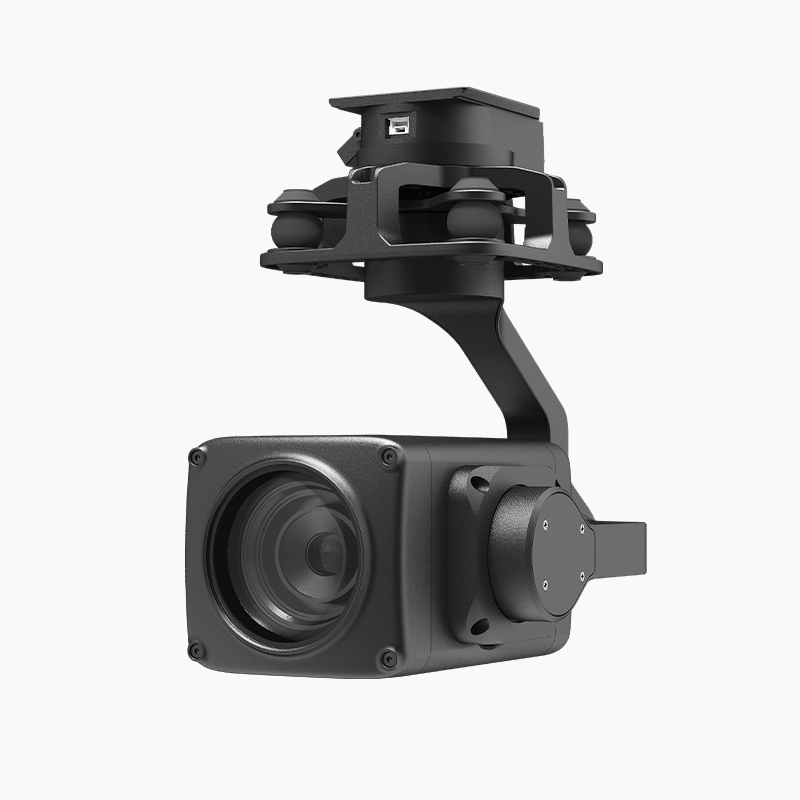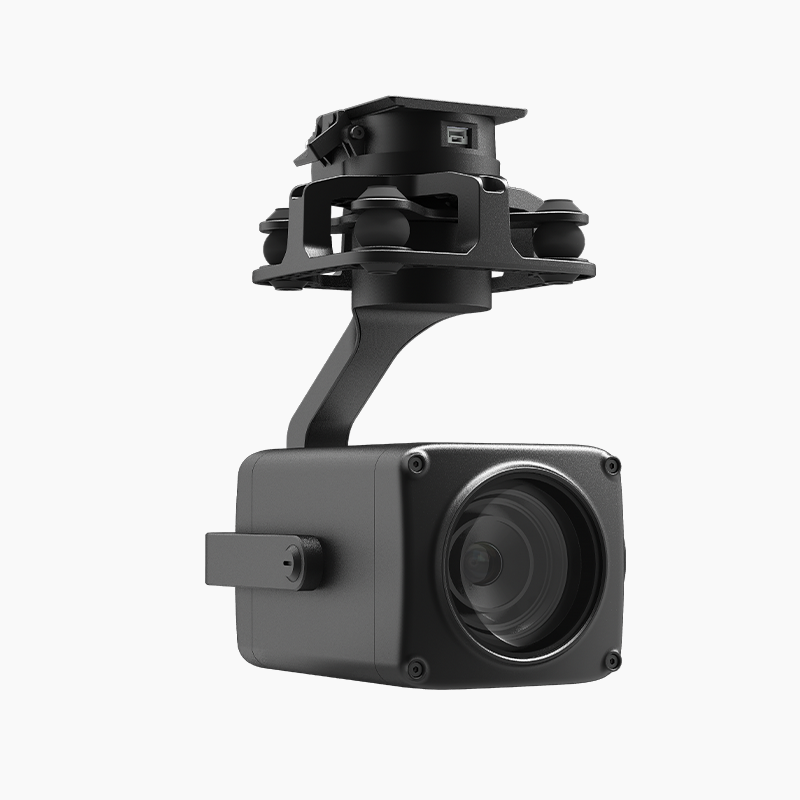
Welcome regarding our all-encompassing discussion with respect to mounting methods incorporating heat recording within autonomous apparatuses.
Stabilizer Roles involving UAV Video Breakthroughs
Drone platforms are observing remarkable innovations in camera instruments. Advanced gimbal platforms now facilitate incredibly balanced footage, despite turbulent circumstances. Furthermore, the incorporation of thermal scanning offers extraordinary opportunities for analysis in fields like farming, presenting valuable facts beyond what ordinary light cameras can capture. These integrated technologies are drastically shaping the domain of aerial filming.
Staring into the Shadow: UAV Instruments with Dim-Light & Gimbal Technology
The contemporary landscape of unmanned aerial platforms is being transformed by advancements in camera performance. Notably, the combination of night vision capabilities and refined gimbal stabilization allows for unprecedented visibility during nighttime operations. These powerful cameras, often utilizing infrared imaging, can expose darkness, providing crucial inputs for guarding purposes. Simultaneously, the gimbal apparatus successfully minimizes oscillation, resulting in distinctly balanced footage even in difficult conditions. Aspects like sharpness and refresh rate are increasingly paramount for excellent productivity.
- Augmented Tactical Understanding
- Increased Radius of Application
- Thorough Imagery Gathering
UAV Camera Study: Supporting, Radiation Detection, Long-Range & Shadow Perception
Selecting the best UAV camera constitutes a intricate choice. Weigh the multiple kinds available: fixed systems grant smooth, expert footage; thermal cameras surpass in obscure conditions by detecting heat signals; optical lenses support you to boost distant targets; and twilight vision functions utilize infrared applications to record imagery in deficient light. The best combination is guided by the specific mission.
An Advancing of Pilotless Camera Applications: Combining Thermographic & Low-Light Observation
Often, Autonomous sensors dedicated on standard light observation. But, latest uses in areas notably search & recovery compel enhanced monitoring insight. Fusing infrared devices alongside dark imaging capacities supplies pilots a important perk, enabling handlers to perceive anomalies covered from normal illumination. That collaboration significantly boosts tactical potency night vision camera across a broad group of scenarios.Balancing Strength Meets Thermal Vision: A Emerging Era for UAV Imaging
This cutting-edge time for drone observation arisen, stimulated by a merging alongside high-tech suspension technology via high-definition radiant perception. The blend supports operators to record more precise thermal imagery using flying devices, although complex climatic instances, disclosing new advantages between distinct areas specifically assessment, emergency along with precision horticulture.
Autonomous Aircraft Camera Variable Focus Capabilities: Optimizing Extent & Evening Observation
Advancements in Flying Machine technology are constantly enhancing camera focus adjustment features, but a vital challenge involves balancing scope and shadow detection. Extending that variable focus to view distant objects often affects shine sensitivity, bringing about clear gloomy perception difficult. Designers are studying advanced approaches, adopting advanced telephoto layouts and digital enhancements, to counteract noted compromise and extend crisp imagery at diverse distances, even under unfavorable radiance circumstances.
Electing an Appropriate UAV Observation System: Balancing, Infrared, & Close-Up Elements
When deciding on your UAV optical instrument, diverse important criteria should be judged. This stable dampening platform is vital for uninterrupted drone visual capture , mainly in volatile environments. Infrared-Based sensors supply unique analysis for uses like scrutiny and rescue missions. Finally, optical range functions allow precise scenes of subjects, yet greater telephoto capability habitually is associated with lessened image definition and involves increased luminosity.
{Night Vision UAV Cameras: Elevated Protection with Dampening Backing
Advanced remote-controlled flyers are transforming security functions with the deployment of night vision systems. Fundamentally, gimbal support offers exceptional solidity for the photography setup, enabling clear imagery even in hard conditions or during transit. This feature considerably strengthens watch potency and equips a critical benefit for agencies and alternative companies requiring secure nighttime assessment.
State-of-the-art Pilotless Recording Setups: Fusing Close-Up Heat-Sensing & Night Vision
Modern drones are consistently equipped with high-performance camera configurations that outperform basic imaging. These trailblazing solutions commonly utilize a fusion of effective technologies, featuring variable focal capabilities for precise inspection, heat imaging to identify temperature variations, and night vision technologies to assist operation in demanding scenarios. This fusion provides handlers with a major edge in multiple applications, from search and rescue to infrastructure inspection and threat detection.