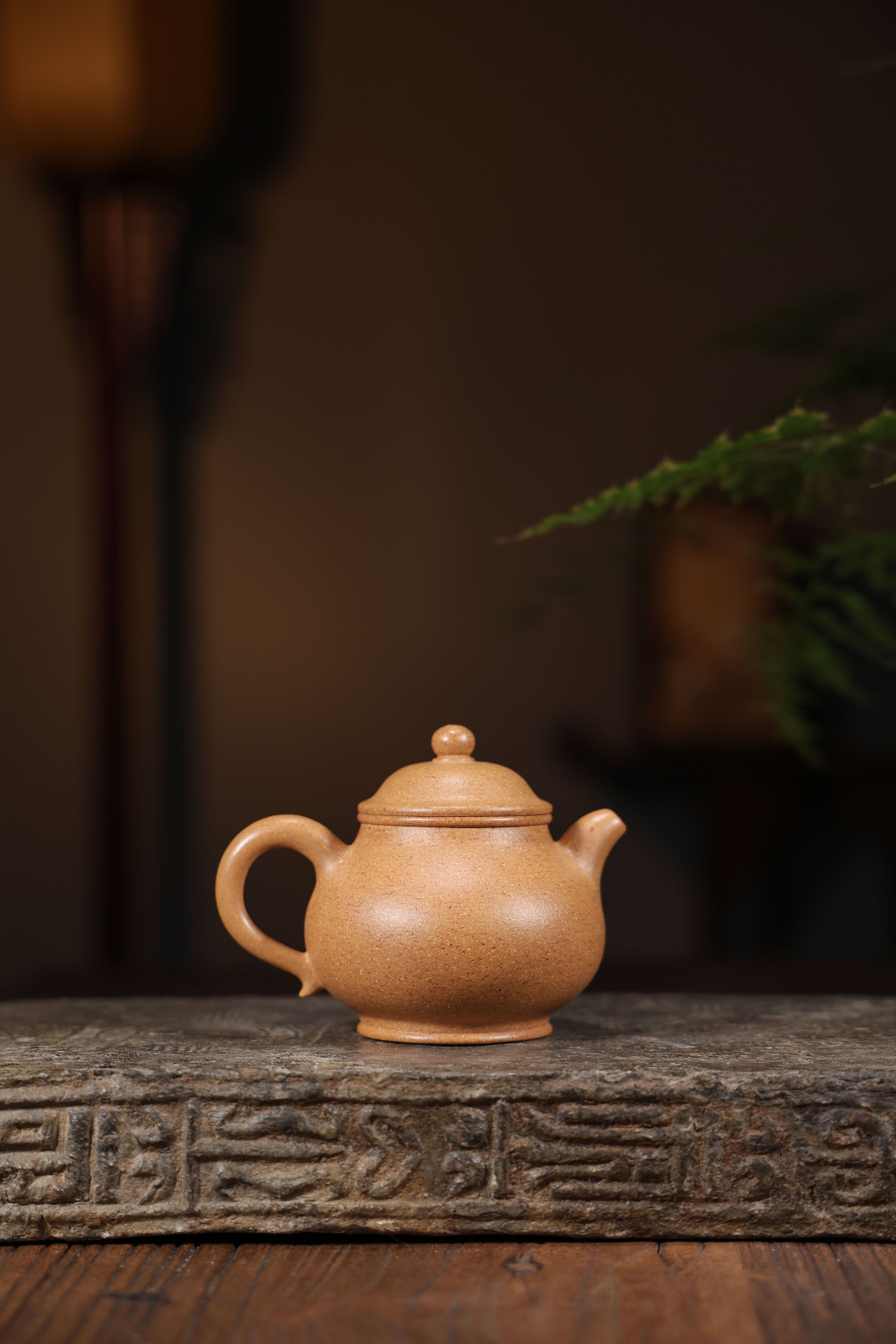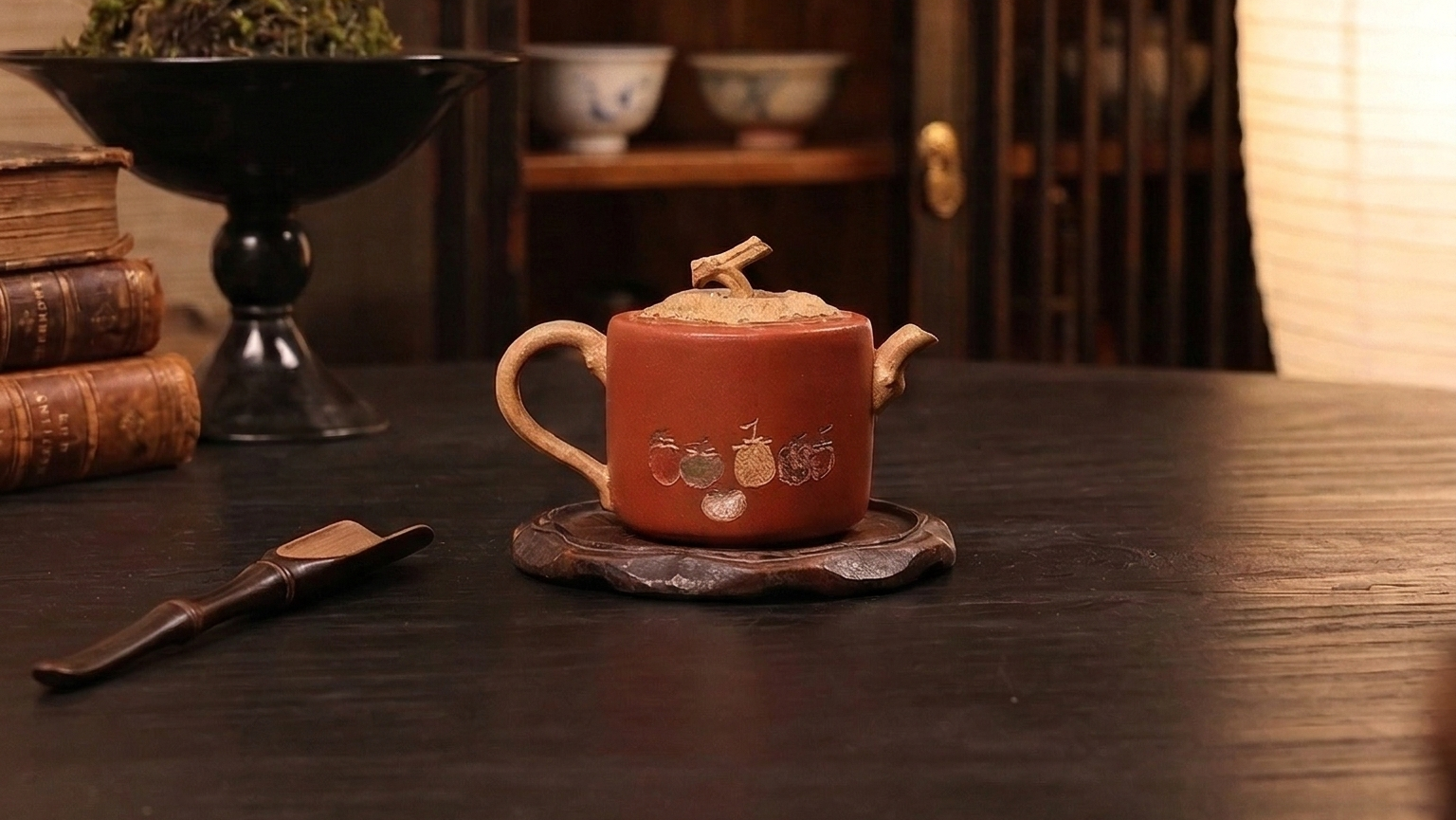
Ages of devotees have craved the exceptional fascination of Yixing Zisha pitchers. Founded in the secluded town of Yixing, the homeland, these urns are constructed from a infrequent and dug purple clay famous for its remarkable thermal qualities and ability to amplify the savor of liquids. More than their practical value, Zisha teapots illustrate a solid heritage legacy, rendering them markedly coveted and a real gem for any committed teapot aficionado.
Investigating Yixing Teapots
Classic teapots demonstrate a distinctive synthesis of history and expert craftsmanship. Emerging in Yixing, Jiangsu Province of China, their narrative originates in the Ming Dynasty, although documentation suggest earlier forms. The unparalleled reddish-brown clay, called Zisha, found merely in the Yixing region, is the fundamental component, contributing to the pots' exceptional heat stability and the manner they modify the aroma of tea. Generations of potters have improved techniques—often inherited through families—including designing the clay, applying complex embellishments, and firing the pots at exact temperatures.- Back then, Yixing teapots were often embellished with simple designs.
- Down the line, more advanced carvings and figurative motifs became prevalent.
- The heat treatment itself is a fundamental element, requiring considerable time of expertise.
Curating Zisha Teapots: Crucial Checkpoints
Initiating a mission to gather Zisha containers can be satisfying, but it’s required to understand what to identify. Authenticity is important; focus on the material’s natural tinge, a delicate reddish-brown is conventional. Examine the texture; genuine Zisha has a notable tactile sensation, often depicted as slightly rough. The configuration should be well-proportioned and consistent with traditional styles, while stamps, if present, require scrupulous examination for genuineness. Don’t hold back to consult with professional consultants or established contacts – their guidance is critical.
The Earthenware: Understanding the Lineage of Yixing Zisha Clay
Generations have seen Yixing Ming Clay teapots keep a distinguished role in Chinese culture. These carefully constructed pots, sourced specifically from the area of Yixing, are celebrated for their singular cast, composition, and their ability to improve the flavor of infusions. Countless collectors chase antique Yixing teapots, estimating them significantly not only for their aesthetic magnificence, but also for the legacy they represent.
Yixing Zisha Teapots: Exceptional Ultimate Selections and Their Aspects
Yixing Ceramics teapots, developed in the traditional province of Yixing, China, are well-known for their remarkable clay and unparalleled brewing characteristics. Amid the multiple Zisha types, particular types that are highly esteemed include Zhuni. Binzhou, known for its rich purple shade and fine texture, delivers a mild flavor. Duan Ni Zisha, recognizable by its chestnut color and fairly grainy feel, is assumed to enhance the fullness. Lastly, Zhuni Zisha boasts an peculiar vermilion tone and can deliver a delightful nuance. Each type affords a alternative experience, enabling them extremely desirable to potion enthusiasts.
Refining One’s Purple Clay Cup
To realize the essence of your Yixing kettle, appreciating the correct system is vital. These clay pots, celebrated for their texture, will incrementally take on the nature of the tea you create within them. Begin by cleaning the teapot thoroughly with scalding water. Then, use only first-class broken leaf tea, as lower quality options can damage the vessel’s delicate flavor profile. Always enable the leaves to unfurl completely, and remember that with each serving, your Yixing container will become increasingly esteemed.
Preserving Your Valuable Zisha Item
Proper maintenance for your Zisha pitcher is vital to sustaining its longevity and price. Zisha clay, hailed for its unique nuance and consistency, requires considerate handling. Never use severe substances, as these can injure the covering. After every infusion, rinse Purple Clay Teapot the urn with tepid water and allow it to dehumidify completely.
- Refrain from soaking the pitcher for extended periods.
- Intermittently use a soft cloth to buff the exterior.
- Weigh applying a thin layer of food-grade oil inside the pitcher after drying, which can minimize staining.
Introduction to Yixing Earthenware
Yixing kettles, originating from the Yixing region in Jiangsu Province, part of China, are celebrated for their distinctive peculiarities. Made from the unique purple material known as Zisha, these pitchers are prized by beverage enthusiasts worldwide. This manual will clearly explain the nuts and bolts – covering kinds of Zisha dirt, favored shapes, and essential care guidance. Understanding the heritage of Yixing kettles can heighten your appreciation for this traditional example of Eastern craftsmanship.
Technique of Asian Teapots: Concentrating on Zisha made in this city of Yixing
Zisha substance from Yixing represents the height of Zhongguo vessel design, showing a exclusive compound of elemental beauty and hands-on artistry. These extraordinary pieces are renowned for their deep color schemes, often extending between rich purples and auburn hues to muted greys and soft beiges. The distinctive mineral composition of the indigenous Zisha terrain imparts a identifying texture and offers a enjoyable aroma that increases the entire beverage experience, transforming them greatly coveted collectibles and critical components of any serious infusion.