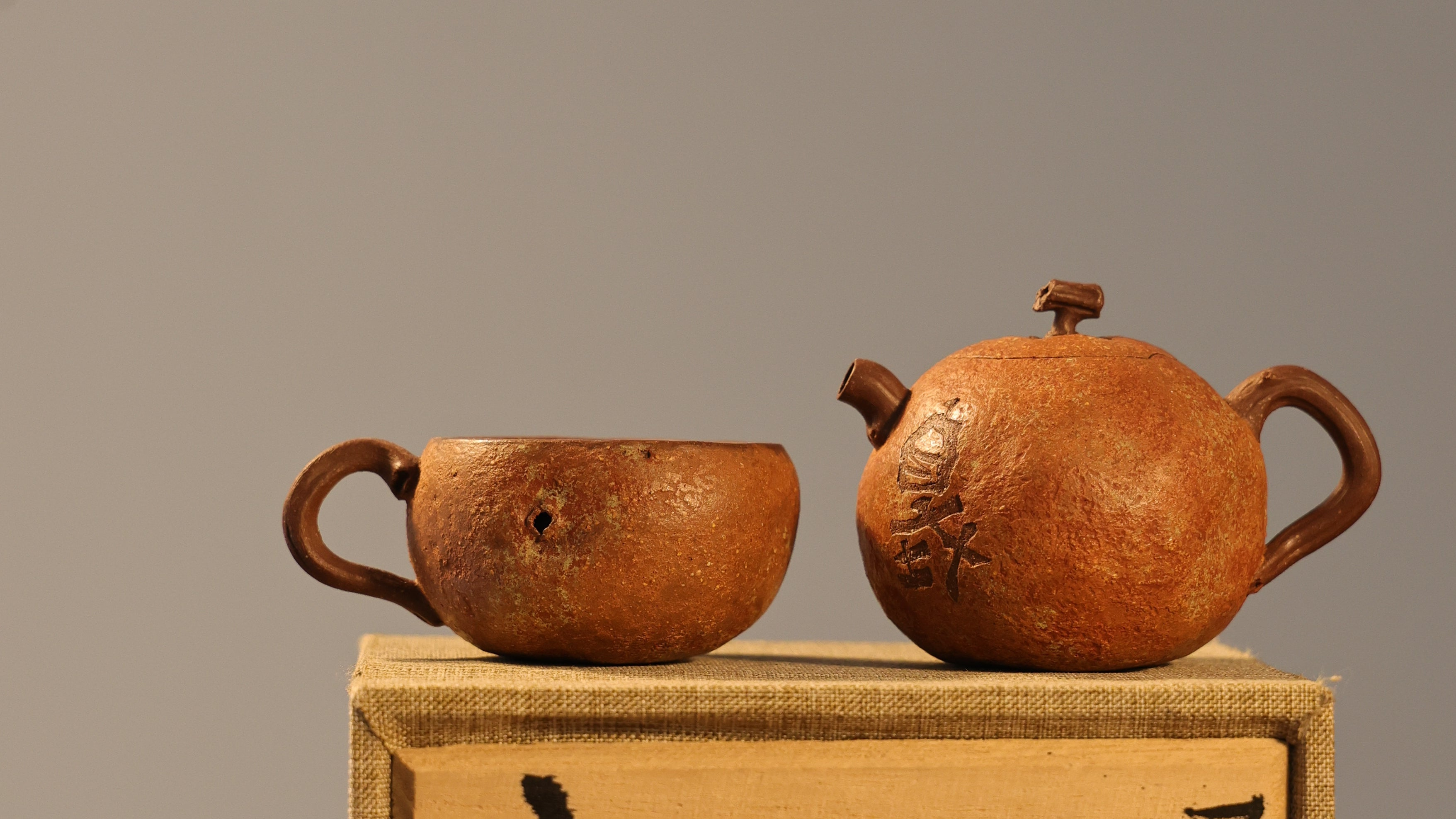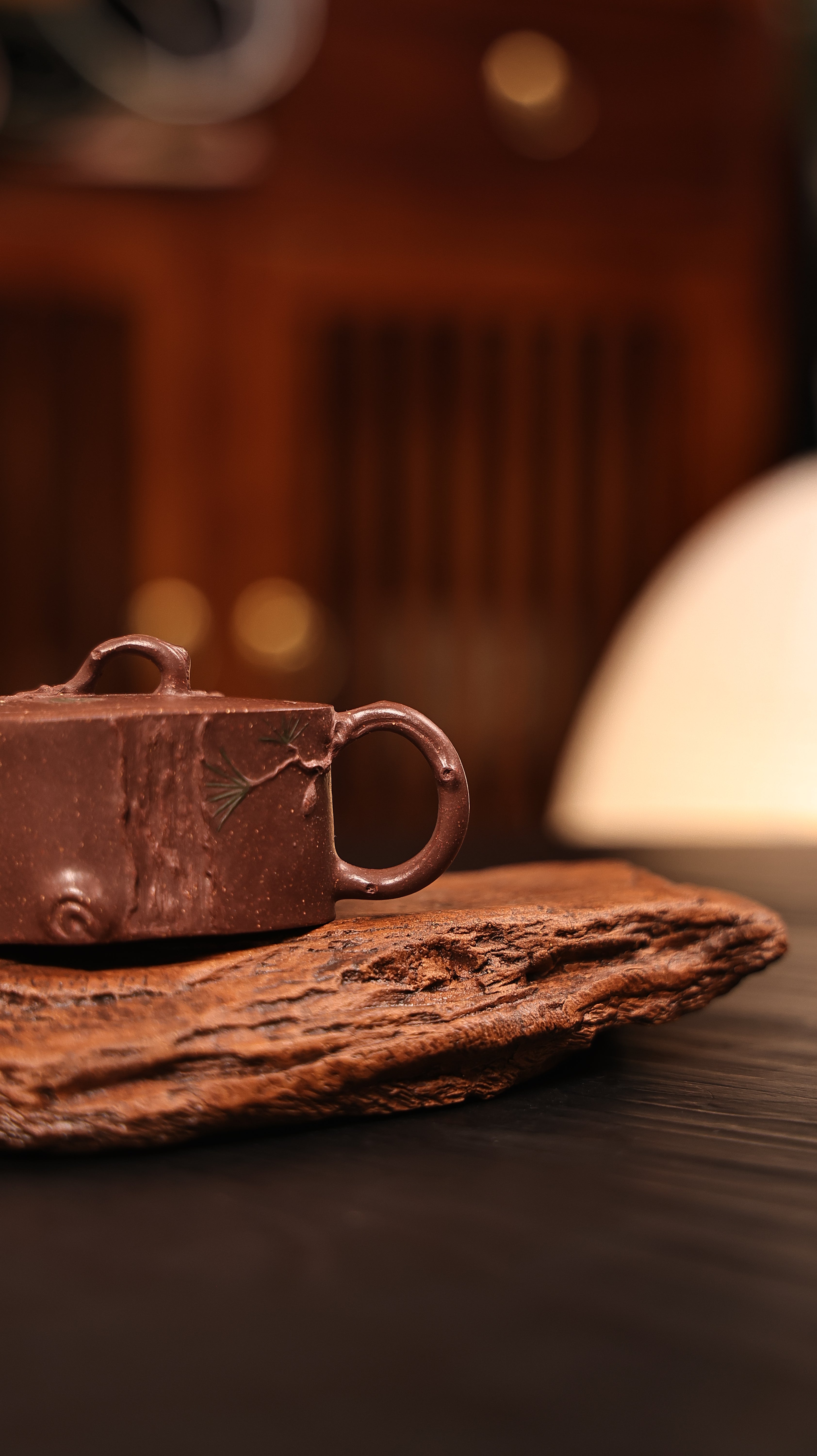
Centuries of connoisseurs have sought the singular beauty of Yixing Zisha earthenware. Coming in the scenic town of Yixing, China, these amphorae are created from a singular and recovered purple clay recognized for its extraordinary thermal attributes and capacity to enhance the richness of concoctions. Exceeding their operative worth, Zisha teapots symbolize a lasting customary background, causing them highly admired and a legitimate find for any dedicated teapot devotee.
Discovering Yixing Pitchers
Historical teapots display a extraordinary blend of history and seasoned craftsmanship. Existing in Yixing, Jiangsu Area of China, their narrative dates back the Ming Dynasty, although signs suggest earlier versions. The unique plum clay, called Zisha, found only in the Yixing region, is the paramount component, contributing to the pots' remarkable heat stability and the manner they enhance the essence of tea. Generations of potters have improved techniques—often transmitted through families—including sculpting the clay, applying ornate embellishments, and firing the pots at deliberate temperatures.- Initially, Yixing teapots were often ornamented with simple designs.
- Thereafter, more sophisticated carvings and expressive motifs became common.
- The baking procedure itself is a essential element, requiring decades of proficiency.
Accumulating Zisha Teapots: Critical Aspects
Commencing a search to accumulate Zisha teapots can be enjoyable, but it’s imperative to grasp what to inspect. Authenticity is paramount; focus on the soil’s natural color, a earthy reddish-brown is regular. Examine the surface; genuine Zisha has a particular tactile sensation, often noted as slightly textured. The contour should be symmetrical and consistent with historical styles, while inscriptions, if present, require painstaking examination for authenticity. Don’t resist to consult with knowledgeable enthusiasts or reputable authorities – their wisdom is essential.
Renowned Vessels: Examining the Practice of famous Zisha
Ages have seen Purple Clay Teapot Yixing Purple Earth teapots possess a notable role in Chinese arts. These masterfully created pots, sourced only from the zone of Yixing, are distinguished for their specific shade, feel, and their ability to refine the taste of beverages. A multitude of collectors chase antique Yixing teapots, estimating them considerably not only for their aesthetic elegance, but also for the chronicle they signify.
Yixing Zisha Teapots: An Top Varieties and Their Features
Purple Clay teapots, coming from the local region of Yixing, the People’s Republic, are renowned for their distinctive clay and outstanding brewing skills. Amid the multiple Zisha types, particular forms that are highly esteemed include Duan Ni. Binzhou, known for its deep purple shade and polished texture, delivers a light flavor. Duan Ni category, recognizable by its mahogany color and mildly grainy feel, is considered to enhance tea’s body. Lastly, Zhuni form boasts an unique ruby tone and can give a sweet nuance. Each category grants a unique experience, making them considerably desirable between potion enthusiasts.
Conquering Unique Clay Kettle
To tap into the power of your Yixing vessel, knowing the correct way is crucial. These clay containers, celebrated for their texture, will incrementally take on the quality of the tea you make within them. Begin by rinsing the pitcher thoroughly with clean water. Then, use only select fresh leaf tea, as lower quality options can harm the object’s delicate essence. Always allow the leaves to bloom completely, and remember that with each brewing, your Yixing urn will become ever appreciated.
Preserving Your Valuable Zisha Item
Proper care for your Zisha container is essential to securing its character and esteem. Zisha clay, known for its unique cast and texture, requires attentive handling. Never use abrasive agents, as these can undermine the coating. After every utilization, rinse the kettle with comfortably warm water and allow it to air out completely.
- Shun soaking the jar for extended durations.
- Sporadically use a soft rag to dress the exterior.
- Consider applying a thin layer of food-grade lubricant inside the urn after drying, which can minimize staining.
Initial Guide to Yixing Clay Pots
Yixing vessels, originating from the Yixing province in Jiangsu Province, located in China, are celebrated for their distinctive traits. Fabricated from the unique purple earth known as Zisha, these kettles are prized by potion enthusiasts worldwide. This summary will simply explain the core elements – covering sorts of Zisha matrix, common shapes, and vital care suggestions. Understanding the roots of Yixing jars can improve your appreciation for this esteemed example of Far Eastern folklore.
Fabrication of Chinese Clay Pots: Spotlighting Zisha native to Yixing locality
Zisha clay from Yixing City represents the height of Zhongguo earthenware design, exhibiting a exclusive compound of elemental beauty and valuable artistry. These celebrated pieces are honored for their saturated color palettes, often spanning dark purples and brown hues to gentle greys and pale beiges. The particular mineral composition of the regional Zisha earth imparts a identifying texture and offers a enjoyable aroma that boosts the entire concoction experience, contributing to them significantly cherished collectibles and necessary components of any serious ritual.