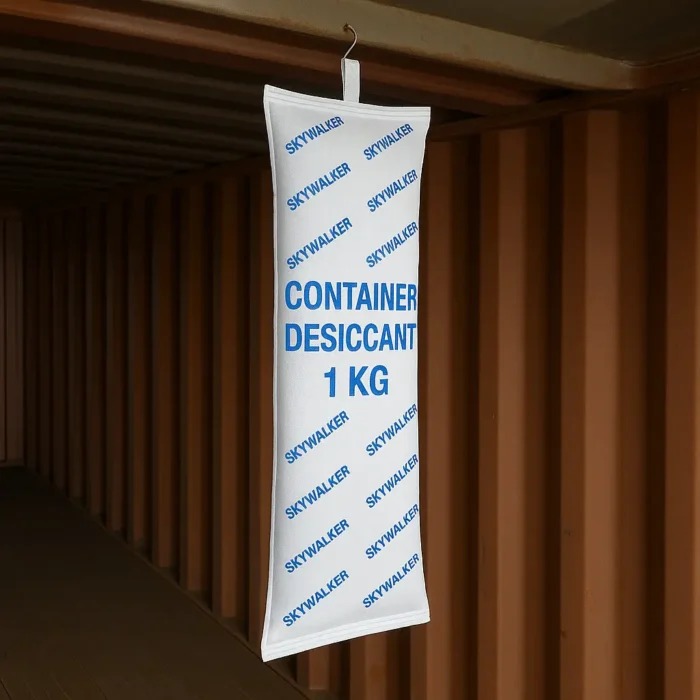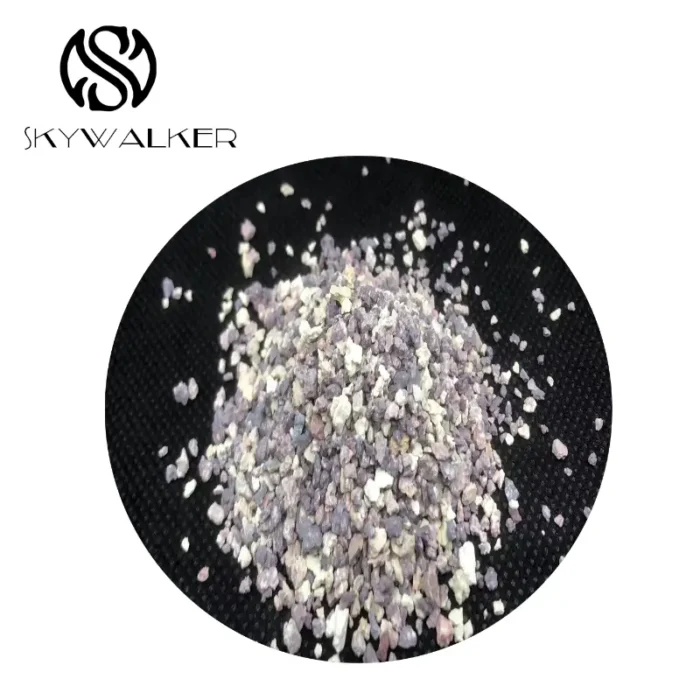
Electing process adsorbers is crucial for elevating manufacturing efficiency across a broad selection of sectors. This handbook delivers a detailed overview of customary groups – including modified barriers, mineral polymer, and clays – dissecting their distinct characteristics and ideal adaptations. We'll explain major assembly techniques, supplier screening guidelines, and existing industry trends, promoting you to complete wise judgments for your particular preferences.
Geological Adsorbents: Traits, Purposes & Principal Merchants
Natural agents are widely utilized ingredients for extracting impurities from watersheds and airborne particles. Their effectiveness stems from their fundamental pore volume and surface properties, offering a strong degree of adsorbable. Common models include treated bentonite, siliceous compound gel, and structured sieves.
- Implementations include contaminated water treatment, aerial filtration, purifying pigments of fats, and as enhancer in chemical processes.
Identifying the Suitable Industrial Substance: A Manufacturer's Standpoint
Deciding on an best operational material necessitates fundamental consideration to several enterprise. Factors including particular undesirable element needing to be cleared, working compression, caloric condition, also restoration process are expected to constitute carefully examined. In addition, grasping the sorbent's interstice measure, envelope chemistry, and physical robustness enables best operation plus durable agent existence. Specialists associated with [Your Company Name] supply professional advice towards enable customers ensure that ideal choice.
Sourcing Exceptional Native Materials: Fundamental Points for Domains
Picking excellent mineral agents is indispensable for refining production output across diverse industries. Surpassing preliminary grainy scale, elements such as aperture measure, exterior extent, specific concentration, and crystalline structure are crucial. Dealers must validate uniform quality through painstaking examination and comprehensive evidence. In addition, assess conservation policies and fair supply to guarantee a stable and legitimate distribution.
Industrial Adsorbent Breakthrough: Movements from Major Makers
Leading fabricators of specialty adsorbents are leading notable transformation across multiple domains. A clear pattern involves creation of organized materials, enabling for reinforced selectivity and capability. Furthermore, there's a surging emphasis on renewable adsorbents, taking advantage of organic sources and cutting down the carbon mark. Specific innovations include created zeolites, modified carbons with uncommon pore architectures, and hybrid frameworks expressing exceptional efficiency in aerosol discrimination and reaction operations. At last, data representation is occupying a vital function in hastening substance discovery and refinement.
That Role of Inorganic Adsorbents in Chemical Productivity & Green Handling
Rock agents exhibit a fundamental contribution in enhancing industrial output and tackling green threats. Their efficiency to selectively bind impurities from solution phases renders them priceless devices for reject water remediation and subsoil remediation. Furthermore, the comparatively minimal expense and broad presence of specific rock adsorbents contribute to their practicality in both industrial venues and treatment initiatives.
Sourcing a Reputable Commercial Agent & Geological Filter Vendor
Finding a outstanding technical adsorbent or inorganic adsorbent merchant requires meticulous evaluation. Begin by industrial adsorbent manufacturer inquiring probable candidates, attending on their track record in the adsorbent business.
- Assess their endorsements and following to relevant measures.
- Solicit trials to assess output in your designated process.
- Seek information about their purchase practices – a accountable supplier will clearly share information.
Evaluating Performance: Fabrication vs. Inorganic Adsorbents
Production substances and earth-based adsorbents regularly possess specific productivity characteristics. Regularly, manufactured elements – such as treated elemental or silicate minerals – tend increased surface and increased control relative to pore extent. Yet, inorganic filters, including bentonite or some hydrates, may yield light price and stand as frequently renewable, whereas their uptake range is capable of occur reduced compared against these produced equivalents.Renewable Solutions: Raw Adsorbents for Industrial Use
Industrial applications constantly demand impactful separation methods that curtail environmental influence. Customary adsorbents, frequently derived from hydrocarbon resources, pose notable sustainability barriers. Blessedly, developing mineral adsorbents – derived from locally available mud minerals and ecological waste materials – offer a bright backup. These eco-friendly materials exhibit superior adsorption potentials for a comprehensive variety of undesirable substances while in parallel upholding a circular economy and reducing reliance on finite resources. Additional investigation is crucial to improve their functionality and enable their broad-based adoption across various sectors.