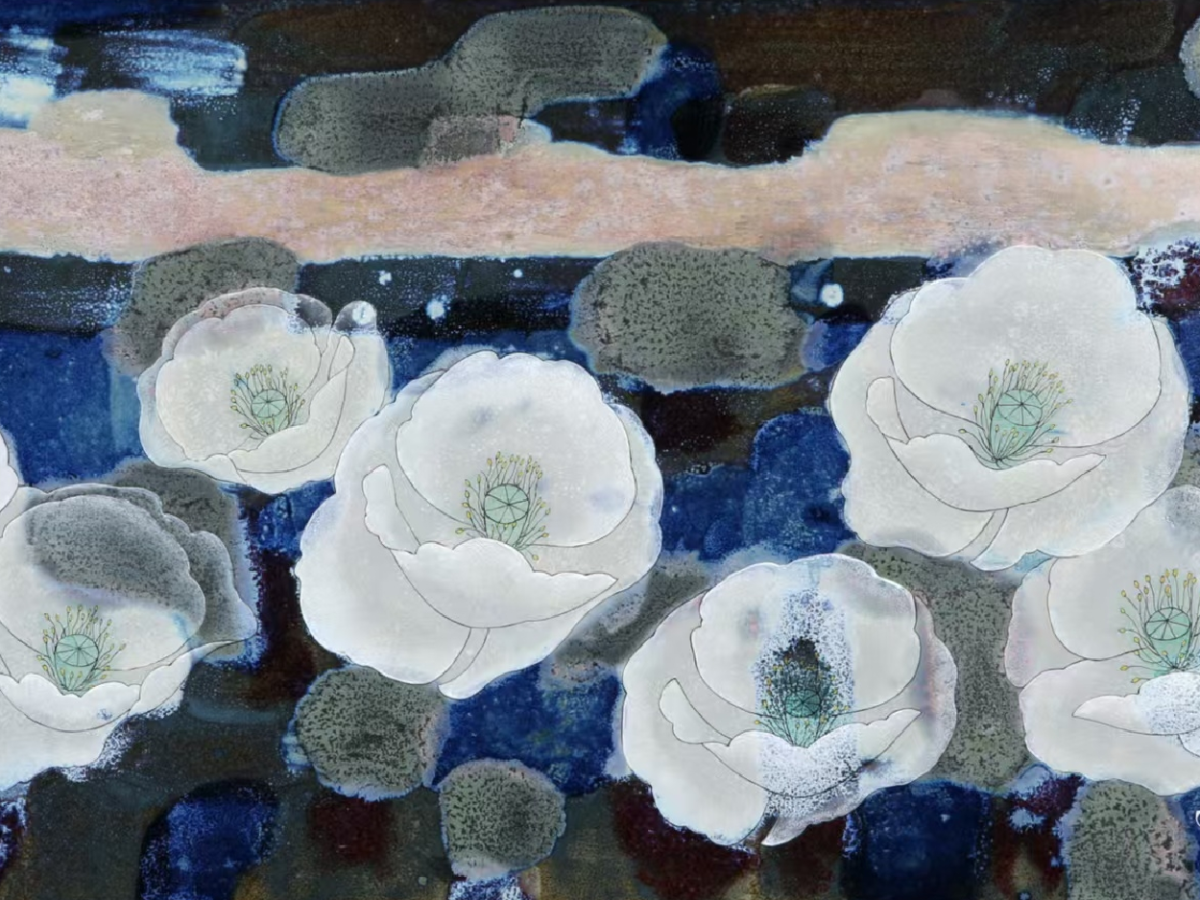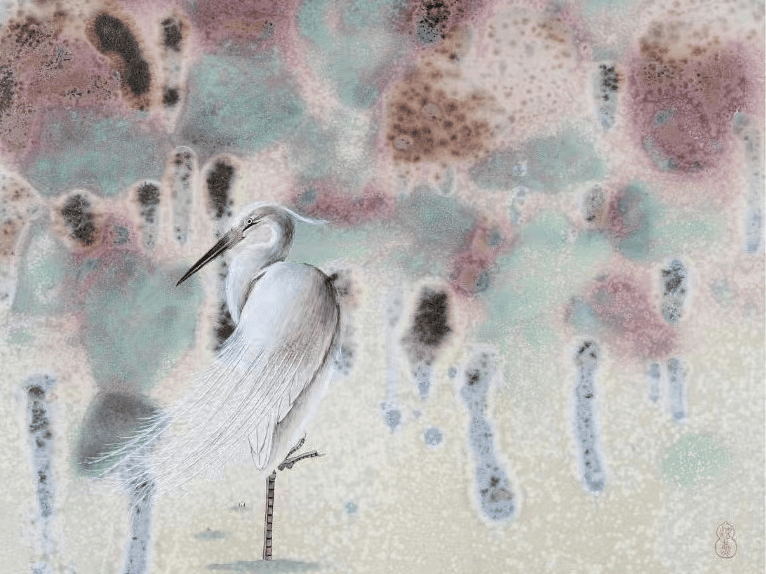
Ceramic statue symbolizes a striking art style with a vast legacy, extending back multiple of periods. From ancient vessels to current setups, the resource offers unparalleled possibilities for creative demonstration. Sculptors utilize diverse techniques – including forming, wheel casting, and elevated firing processes – to transform humble earth into stunning three-dimensional objects. The sturdiness of fired brick also contributes to its status as a truly lasting part of human heritage.
Examining Terracotta Shield Layouts and Practices
The landscape of ceramic emblem design offers a considerable array of creative possibilities. Artists often employ a mixture of classic and contemporary techniques to form visually beautiful pieces. These can span from simple, molded reliefs to complex, multi-layered layouts. Frequently used methods include form mold, hand crafting, finishing glaze – which can involve a range of forms like pre-firing decoration, top glaze design, and carved drawing where designs are unmasked by peeling off a layer of enamel. Supplementary study into top layers such as raku and lustering can produce truly rare and specialized clay markers.
- The slip cast process - Fabricating pieces using a cast
- Manual Fabrication - Physically forming the earth
- Surface Treatment - Painting the top with a vitreous finish
- Scraped detail - Showing designs by abrading coatings
Mesmerizing Experiences: Terracotta Art Displays
The maturing landscape of visual arts presents exciting original avenues for viewers, and ceramic art installations are at the pinnacle of this shift. These aren't just static sculptures; they are engineered to envelop the visitor in a sensory space. Imagine moving inside a forest of towering, textured ceramic trees, or navigating a cluster of intricate ceramic vessels. Many producers are now incorporating sonics, light, and even essence to enhance the sensation of their work. Visualize the power of a room filled with hundreds of uniquely ceramic forms, each telling a account. Typically, such installations delve into themes of nature, nostalgia, and humanity.
- The aforementioned installations blur the lines between work and venue.
- Observing a ceramic art installation can be a deeply transformative journey.
- Makers are transporting the parameters of what is realizable with clay.
A Splendor of the Ceramic Jar: Meaning and Design
The porcelain vase represents a admirable union of functionality and expressive appeal. Historically, these canisters served a essential mission in holding materials, but their advancement has transformed them into highly valued works of art. Each creation showcases the ability of the builder, demonstrating how shape can be as vital as service. The careful shaping, the special glazes, and the full presence of a masterfully-crafted pot can transform a space, offering both appeal and a gentle reminder of the artistic hand.
Present-day Terracotta Model : Pushing Limits
Present-day stoneware figure represents a fascinating transformation from traditional practices. Creators are boldly exploring with fresh tactics, merging the separations between sculpture and various creative fields. From expansive installations to fine miniature pieces, aforementioned works study themes of heritage while coincidingly recasting the basic of what porcelain can manifest. The upshot is a vigorous sector of inventive display.
Porcelain Plate: Upholding Chronicle in Terracotta
Terracotta plaques offer a uncommon method for recording significant events and figures. Contrasted with traditional metal or stone markers, these lasting pieces of creation are formed from kilned clay, creating a material link to the history. Regularly, they display intricate reliefs or meticulously crafted imagery, telling stories that might otherwise be passed over. One technique, rooted in ancient Travel Cup Set tribes, provides a stunning and enduring way to honor our collective record.
- The described can be located in shared spaces.
- Many are now accepted historical remnants.
Earthenware Art Creations: Transforming Sites
Porcelain art installations are growing a meaningful medium for makers to redefine public and private locations. These immersive projects frequently involve massive clay sculptures that attract viewers, altering their understanding of the engineered environment. By adopting diverse methods like fabricated molding and detailed firing processes, ceramic artists assemble truly remarkable experiences, overlapping the edges between sculpture and building. The effect is often a touching change that strengthens the stylistic quality of the area and develops dialogue.
Commencement Potter's Wheel to Phenomenon: The Art of the Terracotta Pot
The journey of a terracotta vase from a simple lump of mud to a finished work of mastery is a testament to human ingenuity. Previously, the process kicks off with the potter’s turntable, where the expert artisan forms the twisting clay into a cylindrical figure. This introductory phase demands clearness and a keen eye, followed by a delicate firming period. Once rough-fired, the vessel is ready for ornamentation, which may comprise glazing intricate arrangements, incising detailed scenes, or adding a array of textures. The last cooking process then evolves the piece into a durable and remarkable jar, a tangible symbol of the potter's dedication.
Crafting with Porcelain: A Guide to Pottery Work
Immersing the landscape of ceramic craft begins with comprehending the foundations of crafting with brick. This method entails deliberately incorporating and chiseling volume to create three-dimensional objects. Whether you're a novice or a skilled artisan, testing with distinct classes of terracotta – specifically clay – will advance you identify your special manner. In conclusion, porcelain shaping is a worthwhile quest that merges skilled talent with inventive demonstration.